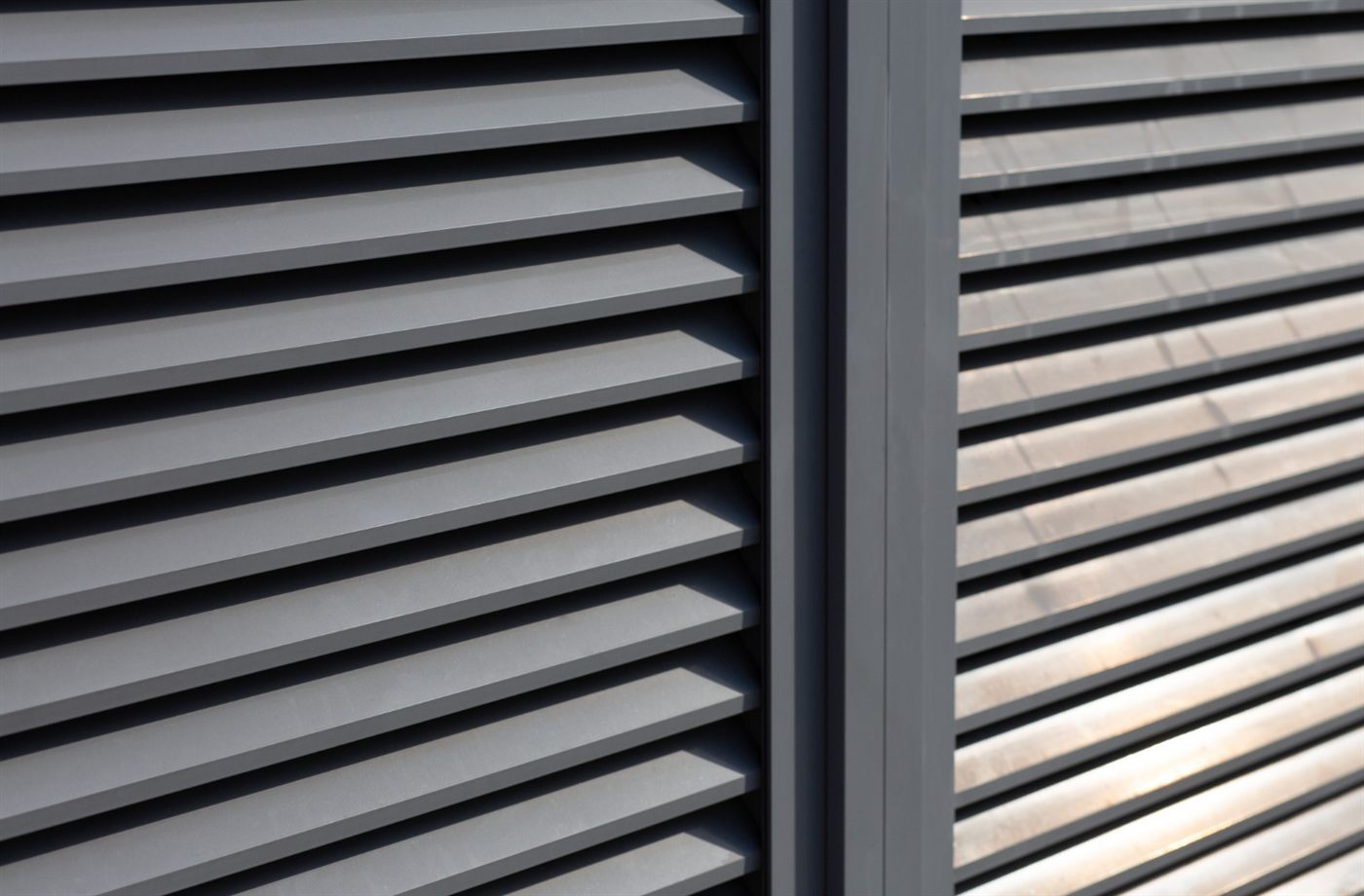
Choose an aluminium louvre window type by deciding whether the blades must adjust, what material you want and how you will operate the opening. Then compare finishes, screens and installation requirements. For homeowners, a configuration that suits the room is more useful than a model with features they will rarely use.
For a Malaysian home, those requirements might include an adjustable opening in a utility area, privacy beside a neighbouring property or convenient operation above a stair landing. Each use creates a different balance between material, control access, finish and installation.
Understand the product category first
An adjustable louvre window uses a series of blades that can be tilted. A fixed louvre is a different proposition: its blades are not adjusted in the same way during daily use. If you need occupants to open and close the window, make that requirement explicit.
Also distinguish an aluminium frame from aluminium blades. Some aluminium-framed systems use glass blades. A product name that includes “aluminium” does not, by itself, resolve both materials.
Compare four parts of the specification
- Blade selection: decide what daylight, view and privacy you want from the window.
- Operation: consider manual access, any motorised option and the practical location of controls.
- Finish: confirm the frame and blade appearance using a named finish or sample.
- Installation: check the opening, access, screens and related work as a complete arrangement.
Use these headings to compare proposed systems. A model may suit your preferred appearance but need a different control arrangement for a high-level opening. Another may meet the operating brief but require a finish that differs from the rest of the house.
Discussing the Optima range
Optima Window’s Aluminium Louvre product page describes the Optima 11 and 12 range. Optima’s product information discusses glass and aluminium blade choices, a two-way arrangement involving adjustable louvres and casement operation, and a remote-controlled 11a variant. Ask which features belong to the exact configuration offered for your project.
The page describes Optima 12 in connection with an aluminium frame and aluminium blades, while other passages describe broader range options. A written specification is therefore more useful than assuming every listed material or feature is interchangeable across the range.
Match a sample to the room
During a product demonstration, open and close the sample and consider where its handle would sit in your room. Look at the blade gaps from the angle that matters for privacy. Ask how the proposed screen affects access and cleaning.
Check the finish beside a relevant wall or door sample where practical. A showroom display helps with appearance and operation, but it does not establish the suitability of the final size, exposure or installation. Those details still need project-specific confirmation.
Approve a complete product description
The final quotation should name the system, dimensions, blade material, operation and finish. Screens, electrical requirements and installation scope should be clearly included or excluded. Ask for supporting performance information where weather exposure or other project requirements make it relevant.
Choose in this order
| Start with | Then decide |
|---|---|
| Need daily blade adjustment? | Compare adjustable systems rather than a fixed feature. |
| Want a view through closed blades? | Review clear glass and the room’s privacy needs. |
| Prefer an opaque blade? | Review aluminium options and open-blade sightlines. |
| Cannot reach the handle comfortably? | Discuss the available operating arrangements and service access. |
This narrows the product discussion without assuming a particular model is suitable for every size or location.
There is no universal best louvre configuration for every room. The useful choice is a documented combination that meets your brief and can be installed, operated and maintained as intended. The related articles below explore the comparisons that help you reach that decision.
Frequently asked questions
What should I decide first when choosing a louvre window type?
Start with whether the blades need to adjust and what you want from the opening. Then compare blade material, control access, finish and screens against the room’s needs.
Does the most feature-rich louvre model suit every room?
No. Extra functions are useful when they solve a practical need. An accessible kitchen opening and a high stairwell may require different controls even when their exterior finishes match.
What should a product demonstration show me?
Ask to see blade adjustment, the proposed controls and any additional opening function. Review screen access and cleaning arrangements, and identify where the display differs from your quoted configuration.