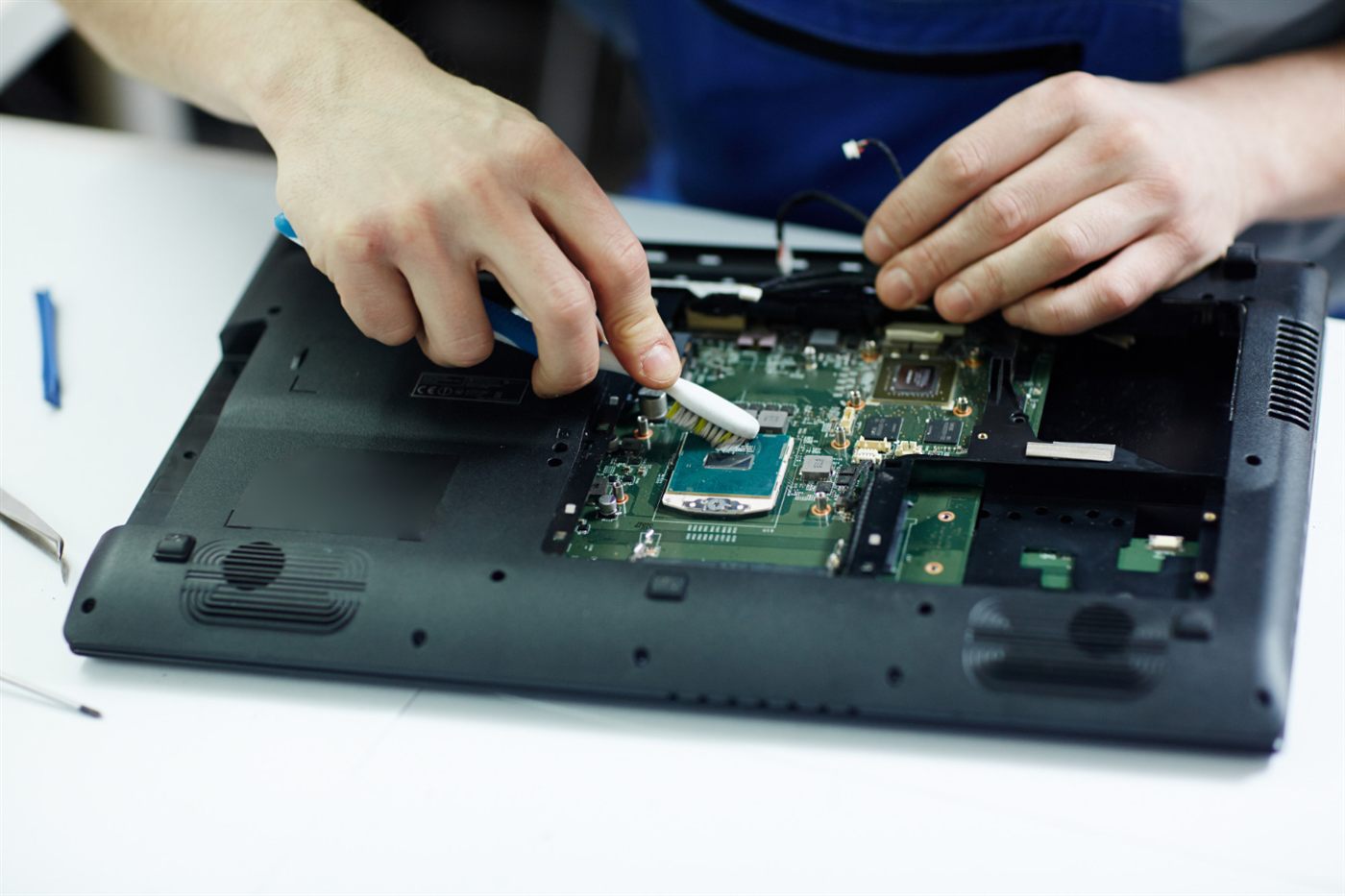
Ask what work was actually done to a laptop instead of relying only on the word “refurbished”. Sellers may use condition labels differently, so the description, inspection evidence and written terms need to explain the individual offer.
Begin with the seller’s definition
A used laptop has had a previous owner or period of use. If a seller calls it refurbished, ask what inspection, cleaning, repair or component replacement that means in this case. Do not infer a new battery or manufacturer refurbishment without confirmation.
Separate preparation from appearance
A device can look tidy while still having a worn battery, and a visibly marked laptop may have working components. Ask about cosmetic condition and functional checks separately. If grades such as A or B appear, request the seller’s grading criteria.
Request a record of material changes
Where parts have been replaced, ask which ones and what specification is now installed. The original product brochure may no longer describe the current configuration. Save the offered specification alongside the purchase terms.
Judge the device on useful evidence
A clear account of condition is more informative than a premium-sounding label. Our used laptop selection guide for Malaysian buyers covers the physical checks that help put the description into context.
Frequently asked questions
Does refurbished mean a laptop has a new battery?
Not automatically. Ask whether the battery was replaced and what condition information is available for the supplied unit.
Are used laptop condition grades standard across sellers?
Do not assume matching letters mean matching condition. Request each seller’s grading definition before comparing offers.
Can a refurbished listing use the original factory specification?
Check the current configuration separately. Replacement or upgraded components may mean the device differs from the original brochure.